Mostrando entradas con la etiqueta the economy. Mostrar todas las entradas

lunes, 19 de mayo de 2014

EVALUATION ABOUT PARTNER'S THE ECONOMY VIDEOS (Unit 11-Science Y5)

With this post we will start with a new way of doing at the class, you are going to evaluate your partner's videos and mind maps following the rubric and answering to this form.


When you finish reading the rubric and you have everything clear about your mind, you can start watching your partner's video and answering the questions to evaluate it. 
IT IS VERY IMPORTANT TO HAVE CLEAR WHAT YOU HAVE TO LOOK FOR AND WHAT THE CRITERIAS FOR EVALUATION ARE.


You will send your evaluation through this Google Form. 
DON'T FORGET TO CLICK ON SUBMIT AT THE END.
To write the comments, you have to follow this pattern:
  • REDACCIÓN EN KIDBLOG: Tienes … puntos, porque…
  • ORGANIZACIÓN EN EL MIND MAP: Tienes … puntos, porque…
  • ESTRUCTURA DEL TEXTO: Tienes … puntos, porque…
  • ORTOGRAFÍA: Tienes … puntos, porque…
  • TÉCNICA GRAMATICAL Y TIEMPOS VERBALES: Tienes …puntos, porque…
  • VOZ Y RITMO: Tienes …puntos, porque…


VIDEOS ABOUT THE ECONOMY (Unit 11 - Science Y5)

Tengo el placer de presentaros los post publicados por los alumnos de 5ºA en la asignatura de Science.


Estos posts han sido publicados en el blog de aula:


Los alumnos han utilizado la herramienta de la web 2.0 http://popplet.com/ para hacer sus propios diagramas o mapas conceptuales sobre la unidad 11 the economy. 

Después han utilizado sus propios mapas conceptuales para construir un vídeo utilizando la web tool http://www.screencast-o-matic.com/. Ese vídeo es "upload" por ellos mismos a su propio canal de youtube para terminar con todo ello, en su propio blog, construyendo un post dedicado a resumir y entender mejor la unidad.

Más tarde lo han enviado a una asignación por EDMODO nuestra red social.

Aquí, os dejo con cada post hecho por cada alumno.


martes, 6 de mayo de 2014

THE SERVICE SECTOR IN SPAIN (Unit 11-Science Y5)

During the last two lessons we talked about THE ECONOMY and about the PRIMARY AND SECONDARY SECTOR IN SPAIN. Today we are going to look and go indeep into the SERVICE SECTOR OR TERTIARY SECTOR IN SPAIN. 

We want you to have a look to this video. At the end of the video we want you to answer some questions about it. 

  • Can you tell three good things about Spain which are good for Tourism?
  • What things does Spain improve to have more tourists?


THE SERVICE SECTOR.

We can classify all the activities of this sector depending on the final aim.

  • PRIVATE SECTOR: banks, insurance companies, entertaiment industry, restaurant or shops. They want ot make money.

  • PUBLIC SECTOR: hospital or schools want to provide a service frequently this service is offered by goverment.

TRANSPORT
  • All Spain is conectted by road, and lots of motor ways.

  • Major cities and town are also connected by railway. 

  • Suburban trains connnect big cities with surrounded areas.

  • Big cities (Madrid, Barcelona, Valencia and Bilbao) have underground.

  • There are airports in many cities.

TOURISM.

  • Every year million of foreing tourist come to Spain.
  • Tourism is one of the most important service activities in Spain.
  • It provide work for many people and makes a lot of money.

LET'S PRACTICE WITH THIS CROSSWORD.


Once we have finished with all the topic it is time to create your mind maps. We will start creating them in groups and using one of our THINKING ROUTINES: GENERATE - SORT - CONNECT - ELABORATE. 


lunes, 5 de mayo de 2014

PRIMARY AND SECONDARY SECTOR IN SPAIN (Unit 11 - Science Y5)

During the last lesson we had a quick view about ECONOMY, talking about what all the sectors are and they main thing they work on. Today we are going to focus our attention on the Primary and Secondary Sector in our country Spain. 

Let's watch this video about a man from Palencia. At the end of the video we want you to answer this video:

  • What are the best and the worst things for him as a crop farmer?


THE ACTIVE POPULATION. 


Nowadays the active population in Spain is around 23 million of people. And because of the crisis 16,5 million are employed and around 6 million are unemployed people. 

The active population is divided in:

  • 4.4 % work in the primary sector.
  • 20.6 % work in the secondary sector.
  • 75 % work in the service sector. 


THE PRIMARY SECTOR. 

The main sector activities are agriculture, livestock farming and fishing.

Agriculture: 
  • On the plains.
  • Wheat, barley, olives, grapes, potatoes, vegetables, fruit.

Livestock farming:
  • Sheeps and poultry on the plains.
  • Cattle on the mountain areas.

Fishing:
  • On the coast areas.

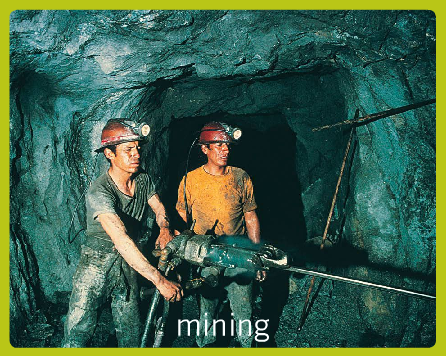
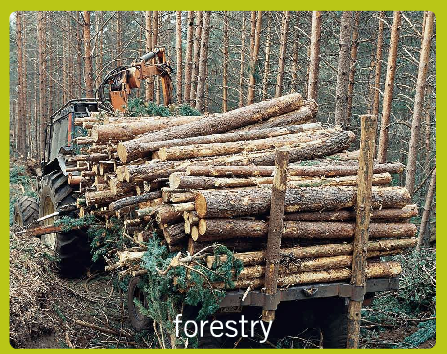
Other important activities mining and forestry.


SECONDARY SECTOR.
Main industries are near the big city. Important industries are: 
Metal industry

Chemical industry

Food industry

Telecommunications industry

Textile industry

Car industry.

The construction was important in the past but nowadays has decreased a lot. 

viernes, 2 de mayo de 2014

THE ECONOMY (Unit 11-Science Y5)

Let's start this new topic with a new THINKING ROUTINE. The name of it is  QUICK WRITE / QUICK VIEW. In the following graphic organizer you have two do to things a picture about what come to your mind if you think about the new topic: ECONOMY and in the other part you will write short sentences and a few ideas about the same thing. You will have four minutes to finish it. Then we will share ideas with the whole class.


Let's have a look to the next video as an introduction of the topic. Maybe you will need to review what is RAW MATERIAL. After watching the video I want you to answer these questions. 

  • What's the process for raw material from Primary to Tertiary Sector?
  • Could you tell me one operation of each sector?


WORK
It refers to the many productive activities which people do, usually for money.


We can have:

  • Active population: includes all the people who can work. The ones who are working and the ones who are unemployed.

  • Inactive population: The people who can't work: Children, retired people or disabled people.

PRIMARY SECTOR.
Raw material is obtained in the Primary Sector.


SECONDARY SECTOR: 
Natural resources are transformed into products.

  • Manufacturing industries: they transform raw material into products.

  • Consumer industries: manufacture products such frozen vegetables. 

SERVICE SECTOR: 
All the bussinesses that provide servicies like schools or tourism. 

  • Private services: They are controlled privately.
  • Public servicies: they are controlled by the state or the local goverment. 
LET'S PLAY AND PRACTICE WHAT YOU HAVE LEARNT